A cannabis delivery order doesn't become a good customer experience when the driver leaves the store. It becomes one when the customer gets what they expected, at the time they expected it, with no mystery in between.
That sounds basic. It isn't. Delivery teams often measure completed orders and total revenue while missing the quieter signals that decide whether a customer comes back: late windows, unclear updates, failed handoffs, payment friction, and cancellations that could have been prevented.
For operators, delivery is not just a logistics function. It's a marketing promise with a route attached to it.

The route is operational. The promise is marketing.
The promise starts before checkout
Customers don't experience a delivery operation as a spreadsheet. They experience a sequence of promises.
The menu says an item is available. The checkout says a delivery window is open. The confirmation says the order is accepted. The tracking message says the order is moving. The driver arrives, verifies the handoff, and completes the transaction.
If any step contradicts the next one, trust drops. A customer who sees a fast delivery window and waits an hour without an update doesn't care that the dispatch team had a difficult afternoon. They remember that the brand made a promise it couldn't keep.
That is why delivery performance belongs in the same conversation as customer acquisition cost and retention strategy. A new order is only valuable if the first experience gives the customer a reason to place the second one.
California's Department of Cannabis Control requires licensed retailers to maintain delivery records and track delivery activity through the state's compliance systems. The DCC delivery record-keeping guidance is a reminder that the delivery trail is not optional operational paperwork. It is part of running the business responsibly.
The marketing implication is simple: the same data needed to prove what happened can show why the customer experience broke.
Measure the gaps, not just the average
An average delivery time can look healthy while a meaningful group of customers has a bad experience. The average hides the edges.
Look at the distribution instead. How many orders arrive inside the promised window? How many arrive late by less than thirty minutes? How many drift past an hour? How often does the customer cancel before the handoff? Which zones, time periods, products, or order values create the most failures?

Averages are useful. The outliers explain the damage.
A useful delivery scorecard should connect four layers:
- Promise: the delivery window shown at checkout
- Execution: the actual arrival time and handoff result
- Economics: revenue, margin, delivery cost, and recovered value
- Relationship: repeat order rate, complaints, refunds, and customer contact
Those layers should be viewed together. A delivery team can improve on-time performance by shrinking its service area, but that may reduce demand. It can increase completed orders by accepting more volume, but that may produce late deliveries and more cancellations. The best number in isolation can still be the wrong business decision.
The Sparksbox guide to marketing measurement makes the broader point: a metric becomes useful when it helps someone make a better decision. Delivery reporting needs the same discipline.
Cancellations are customer feedback
A cancellation reason is rarely just an administrative label.
“Change my delivery time” can mean the window was too vague. “Customer unresponsive” can mean the arrival message came too late. “I can't complete payment” can expose a checkout or payment method problem. “Product unavailable” can reveal an inventory promise that the menu should never have made.
The mistake is treating all cancellations as customer behavior. Many are system behavior reflected back at the brand.

A cancellation reason is often a service failure wearing a customer-facing label.
Group cancellation reasons into three buckets:
- Preventable before dispatch: inventory, payment, unclear timing, address errors
- Preventable during dispatch: poor updates, route delays, failed contact attempts
- Legitimately customer-driven: changed plans, duplicate orders, or no longer needing the product
Then assign an owner to each bucket. Inventory belongs with merchandising and operations. Payment friction belongs with commerce. Late updates belong with dispatch and customer care. If every reason is sent to a general inbox, nothing gets fixed at the source.
Track lost revenue beside the count. Ten small cancellations may matter less than two high-value orders from a zone with repeated delays. The point isn't to punish a team for every lost order. It's to find the failure patterns that deserve an operating change.
The handoff is part of the brand
Delivery brands often spend most of their attention on getting the order out the door. The final handoff gets treated as a compliance checkpoint or a driver's responsibility.
Customers experience it as the brand in person.
The handoff should be predictable. The customer should know what will happen, what identification is required, how payment works, and what to do if the driver cannot complete the delivery. The driver should have the same information. Confusion at the door is expensive because it arrives after the customer has already invested time waiting.
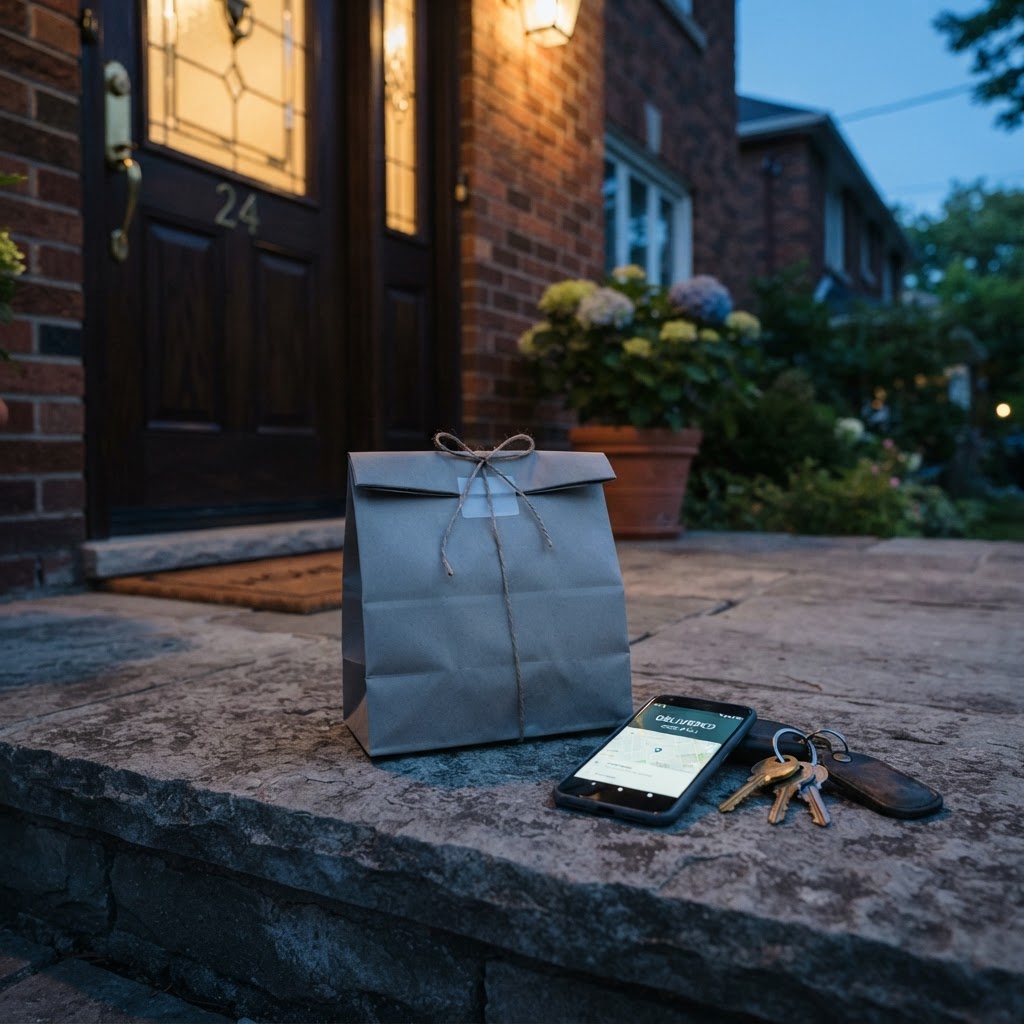
The last thirty seconds can decide the next order.
This is also where brand tone matters. A compliant handoff does not have to feel cold. Clear instructions, respectful communication, and a discreet process can turn a necessary verification step into evidence that the operator knows what it is doing.
The same principle applies to brand trust during regulated growth. Trust isn't created by a polished campaign while the operational experience feels improvised. The promise and the proof have to match.
Fix the customer-facing clock
Most delivery communication is built around the store's workflow. The customer needs a different clock.
They want to know four things:
- Has the order been accepted?
- When should I realistically expect it?
- Is anything delaying it?
- What should I do if the timing no longer works?
A confirmation email that says “your order is being processed” answers none of those questions. A useful message sets a real expectation, provides a contact path, and updates the customer before the delay becomes a complaint.

Silence makes a delay feel longer than it is.
Do not over-message. Send fewer updates with better information. If the window changes, say why in plain language and give the customer a choice where possible. A customer who can reschedule easily may remain a customer. A customer who has to chase the brand for basic information may not.
Baymard's checkout usability research consistently shows how small points of friction can cause shoppers to abandon a purchase. Cannabis delivery adds more constraints than ordinary e-commerce, so clarity matters even more. The answer is not to hide complexity. It is to explain the next step before the customer reaches it.
Start with zones and time windows
A delivery problem is often local. One hub, route, or time block may create most of the late orders while the overall operation looks acceptable.

The fastest improvement is often hiding in one bad zone or time block.
Build a weekly review around:
- On-time rate by hub and delivery type
- Late orders by delay band
- Cancellation rate and lost revenue by reason
- Customer contacts per completed order
- Repeat order rate after a late or cancelled order
- Delivery cost and margin by zone
Then make one controlled change. Narrow a window. Reduce a zone during peak demand. Improve the inventory sync. Move a dispatch cutoff. Add a payment option. Change the message sent when the driver is delayed.
Do not change five things at once. If the scorecard improves, you should know why. If it doesn't, you should know what to undo.

Better delivery starts with one fix someone can own.
Recovery is a retention channel
Even good operators will miss a window. The recovery determines whether the miss becomes a permanent loss.
A useful recovery flow is quick, specific, and proportional. Acknowledge what happened. Explain the next available option. Give the customer control where possible. Record the reason so the team can prevent the same failure.
The recovery shouldn't be an automatic discount every time. Discounts can train customers to wait for a service failure. Sometimes the right action is a fast reschedule, a direct call, a fee reversal, or a clear apology from a real person.
Measure recovery separately from acquisition. Ask whether a recovered customer orders again, how long it takes, and whether the next order has a better experience. Otherwise, the business only knows what it gave away, not what it saved.
A delivery operation becomes a marketing asset when it creates confidence without needing a promotion to explain it.
The next order starts at the doorstep
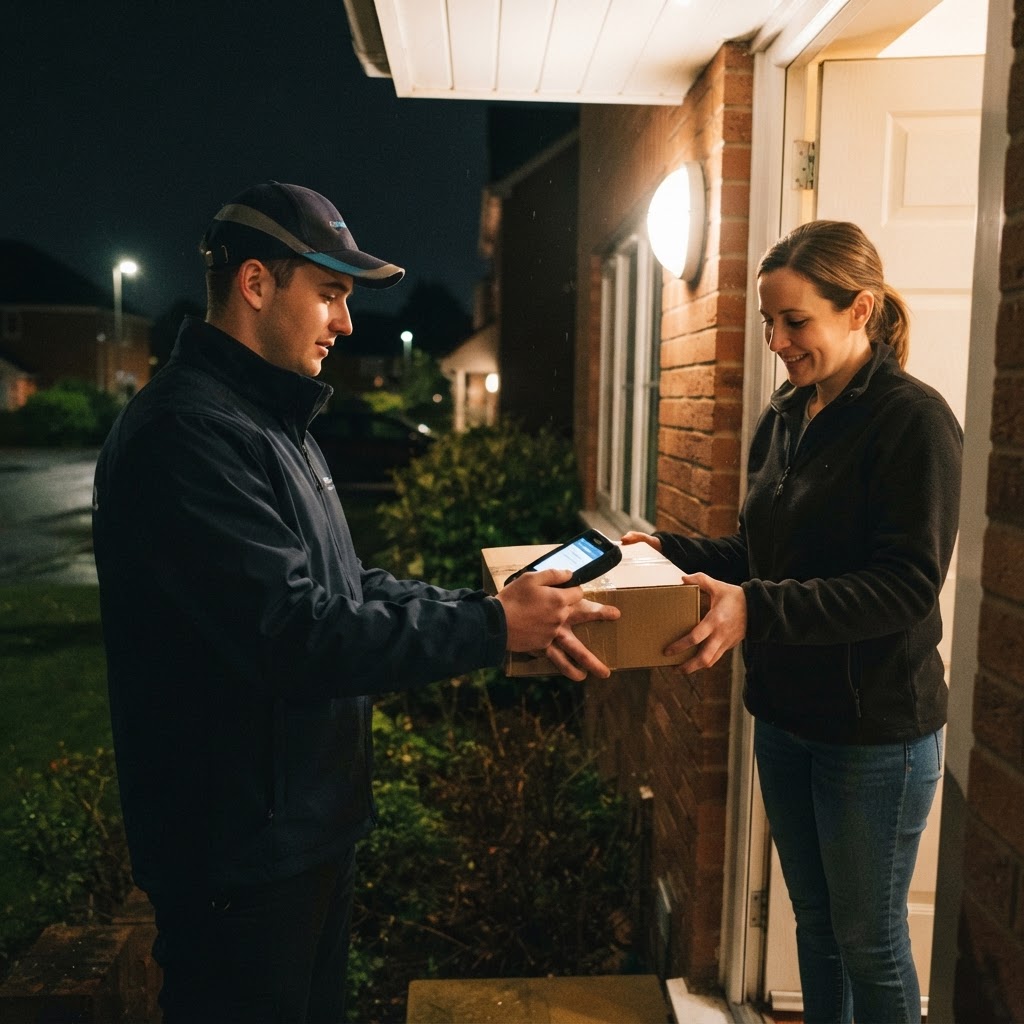
The customer is deciding whether to trust the next order before this one is finished.
Cannabis delivery teams don't need another vague promise about convenience. They need a tighter connection between what the menu says, what dispatch can execute, and what the customer remembers.
That means measuring late orders instead of hiding inside averages. Reading cancellations as feedback. Giving drivers and customers the same information. Reviewing zones instead of blaming the whole operation. Recovering the right failures before they become churn.
The companies that do this well will not necessarily have the biggest delivery footprint. They will be the ones whose promises survive contact with a real address, a real clock, and a real customer waiting at the door.
FAQ
Start with on-time delivery against the promised window, then connect it to cancellations, repeat orders, and margin. A fast average that hides late customers is not enough.
Group reasons by where the failure occurred, before dispatch, during dispatch, or at the handoff. Track order count and lost revenue, then assign each recurring pattern to an owner.
Only when the operation can consistently meet them. A realistic window with clear updates builds more trust than an aggressive promise followed by silence.
Break performance down by hub, zone, daypart, and delivery type. Make one operational change at a time, such as narrowing a service area or changing a dispatch cutoff, then measure the result.
No. A fast reschedule, fee reversal, direct communication, or clear apology may solve the problem better than a blanket discount. Track whether the customer orders again after the recovery.