The store is no longer just distribution
For years, retail media sounded like a screen story. Sponsored search, display ads, offsite audiences, closed-loop attribution, clean rooms, and transaction IDs. The store was treated as the end of the funnel, a place where a shopper either bought the product or did not.
That split is getting weaker. Walmart's 2026 store investment update points to hundreds of remodels and new openings, while ALDI's growth plan keeps expanding the physical footprint. The visible story is construction.
The strategic story is signal capture. When stores are redesigned around traffic flow, pickup behavior, digital screens, product visibility, and easier checkout, they start acting more like measurable interfaces.
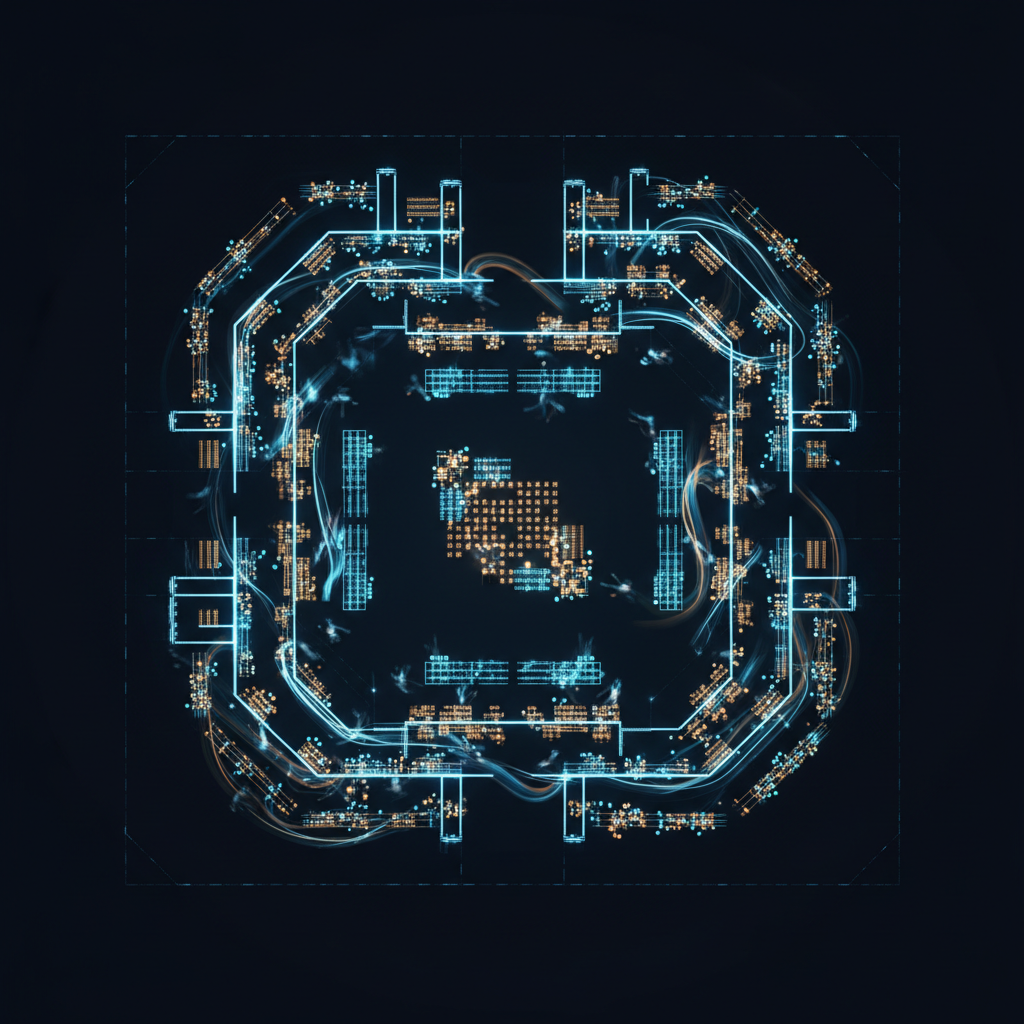
Store layout, retail media, and transaction data are starting to merge.
*Store layout, retail media, and transaction data are starting to merge.*
A brand that wins the shelf but cannot connect that shelf to media exposure, search behavior, and repeat purchase is leaving value behind. A retailer that can measure the whole loop can sell better media, optimize the floor, and pressure brands with more precise performance expectations.
What Walmart and ALDI are really showing
Walmart's physical investment matters because Walmart also owns one of the most serious retail media ecosystems in the market. The company is not only remodeling stores.
It is strengthening the bridge between store operations and media measurement. Walmart Connect's Scintilla work points to more granular retail data access for media partners, which means in-store behavior and digital planning continue moving closer together.
ALDI matters for a different reason. Its expansion shows that physical retail is not retreating into nostalgia. The winning store is smaller, faster, more disciplined, and more operationally measurable. That logic is closer to a landing page than a department store.
| Retail signal | What it tells the brand | Why it matters |
|---|---|---|
| Store traffic | Which moments create exposure | Media timing and retail staffing |
| Shelf placement | Which products get seen before comparison | Trade spend and category strategy |
| Pickup and checkout flow | Where friction appears | Conversion and replenishment planning |
| Retail media exposure | Which messages preceded store action | Budget allocation and creative testing |
| Transaction data | What actually sold | Closed-loop measurement and forecasting |
Why this matters for cannabis retail
Cannabis stores are not Walmart. They are licensed, age-gated, smaller, and more constrained. That does not make the signal-layer idea irrelevant.
It makes it earlier. Most dispensaries already have behavioral signals they do not use well: menu searches, budtender questions, product holds, abandoned carts, pickup timing, loyalty redemptions, out-of-stock substitutions, and post-purchase review patterns.
The question is not whether a dispensary needs a massive retail media network. It is whether the operator can connect store behavior to media, menu, inventory, and retention decisions.
A shopper who searches online for a product, asks a budtender about alternatives, buys a different format, and returns three weeks later is giving the business a pattern. Right now, many operators treat those as disconnected events.

The next retail advantage is connecting before-store, in-store, and after-store behavior.
*The next retail advantage is connecting before-store, in-store, and after-store behavior.*
This connects directly to the cannabis dispensary AI visibility gap and the cannabis loyalty personalization paradox. AI search may shape discovery before the visit.
AI personalization may shape what the shopper sees after the visit. The store is where the pattern becomes real.
The privacy and compliance line
Signal capture does not mean surveillance theater. The useful version starts with aggregated, operationally relevant data: which categories drive questions, which promotions cause substitution, which displays lead to repeat purchase, and which media audiences translate into store action.
For cannabis, the compliance line matters. Age gates, customer consent, data minimization, vendor access, and retention windows should be designed before the system gets ambitious. The store can become more measurable without becoming creepy. That is a strategy choice.
The useful signal is usually boring
The most valuable store signals are rarely dramatic. They are often small operational facts: which category triggered the most staff questions, which shelf placement changed basket mix, which menu search turned into a substitution, which pickup window produced bottlenecks, and which loyalty offer created repeat behavior without training shoppers to wait for discounts.
That boring data is useful because it does not require a science project. A dispensary can start with weekly question tags from budtenders, menu search reports, out-of-stock substitution notes, and transaction timing.
That is enough to see whether a product education gap is hurting conversion, whether a promotion is creating operational friction, or whether a category page should answer a question before the shopper gets to the counter.
The trap is trying to measure everything because the tools make it possible. Cannabis operators do not need a store that watches every motion. They need a store that turns repeated friction into better content, better inventory decisions, better staff training, and cleaner retention. The signal layer should make the business calmer, not noisier.
The budtender is part of the signal layer too
The most useful in-store data is not always captured by a camera or POS field. It may live in the questions budtenders hear all day: "What is similar to this?", "Why is this cheaper?", "Is this product still fresh?
", "Do you have something less intense?", "What did people come back for?" Those questions are demand signals. Most dispensaries lose them because they never become structured data.
That is the opening for a practical, compliant workflow. Budtenders do not need to become data-entry clerks.
They need a lightweight way to tag repeated questions, substitution patterns, product confusion, and education gaps. A weekly review of those tags can change menu copy, staff training, retail media briefs, inventory planning, and the FAQ content that AI answer engines consume.
This is where the store signal layer becomes a brand advantage instead of just a retailer advantage. A brand that knows which questions appear before purchase can write better education.
A retailer that knows which product comparisons stall shoppers can fix the shelf, menu, or training material. A marketer that sees the gap can update AI visibility content before a competitor becomes the cited answer.
The store is full of signals already. The work is deciding which ones are worth capturing and which ones should be left alone.
What brands should do now
Start by mapping the before-store, in-store, and after-store signals you already have. Then identify which ones can be connected without new privacy risk. A basic operator can tie menu search, inventory status, loyalty redemption, and purchase history. A more mature operator can add retail media exposure, budtender-assisted recommendations, and store-level merchandising tests.
The store is not the last mile anymore. It is a measurement layer. Brands that learn to read it will make better media, inventory, and retention decisions than brands that still treat the shelf as a black box.
FAQ
It means the store produces measurable behavior, including traffic, shelf exposure, questions, substitutions, transactions, and repeat visits. Those signals can improve media, merchandising, and inventory decisions.
Dispensaries can connect menu behavior, budtender questions, inventory changes, loyalty data, and purchase patterns while still respecting age gates, privacy, and state rules.
Retail media is part of it, but the signal layer is broader. It includes the physical store, digital exposure, transaction data, and post-purchase behavior in one measurement loop.
2026 evidence and control update
The signal is visible in mainstream retail. Walmart's store investment update, ALDI's 2026 growth plan, and Walmart Connect's Scintilla media data feed all point toward stores becoming more measurable.
Cannabis operators should copy the discipline, not the scale: define which store signals are useful, which are sensitive, and which require consent or aggregation.
| Control area | Why it matters now | What to document |
|---|---|---|
| Data source | AI quality depends on the inputs behind the answer | Vendor feed, POS field, menu source, or policy document |
| Rule layer | Cannabis rules still vary by market and channel | State rule, platform policy, age gate, claim restriction |
| Human review | Edge cases should not be decided only by automation | Reviewer, escalation threshold, approval or rejection note |
| Evidence trail | Future audits need more than screenshots | Timestamp, prompt/output pair, creative version, final URL |

